
Bingo Fishing - Free Bonus Fishing Game Guide
Bingo Fishing is a fishing-style title for players who enjoy aiming, timing, and watching a busy room develop on a compact screen. This page puts the real Bingo Fishing artwork, a practical first-session route, and the decision points worth checking before a player enters a round in one place.
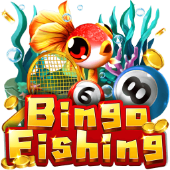 Bingo FishingFishing game · mobile-ready artwork
Bingo Fishing milestones that reward a measured session
The useful achievement in Bingo Fishing is not simply a large-looking catch. It is a repeatable routine: recognise a target, spend only what the current plan allows, notice how quickly resources move, and finish with a clear record of what happened. That mindset gives each round a job and keeps a lively fishing room from dictating the pace.
Before the first shot, confirm the displayed stake, the room controls, and the amount reserved for this session. A clean start is a more useful achievement than changing plans after a quick miss.
Keep attention on a visible target long enough to make a deliberate choice. Switching constantly can make a busy screen feel urgent, while a simple target rule creates an observable decision.
At the planned stopping point, note the session length and result without treating either as a forecast of the next room. A review turns Bingo Fishing into a controlled entertainment habit.
Players who want to act on a clear budget can use the main access control after deciding which of these milestones matters most today.
Bingo Fishing explained: a visual fishing-room format
What is the game in practical terms? Bingo Fishing presents a fishing-room experience in which the player observes moving targets, chooses where to aim, and manages the rhythm of shots through the interface. The attraction is the visible loop: scan the room, select a target, commit to an action, and read the outcome before deciding whether to continue.
The word “bingo” should not be read as a guarantee that every session follows a winning pattern. It describes the title’s identity, not a promise about a particular target or result. The sensible way to learn Bingo Fishing is to inspect the on-screen pay information and controls, start at a stake that feels ordinary, and judge the interface by clarity rather than by a single lucky moment.
Why the format feels active
- Targets and room activity give the player something specific to watch.
- Timing and target priority create decisions between actions.
- The short visual loop is easy to understand on a phone.
What the format cannot promise
- Visual skill does not remove chance from an outcome.
- A busy room is not evidence that the next target is due.
- Past catches do not set a future result or a guaranteed return.
When the interaction makes sense and the limits are understood, the page’s action control is ready for a real Bingo Fishing visit.
Bingo Fishing first-session notes for new players
A new player should begin with observation, not acceleration. Give the interface a moment to settle, locate the stake control, and decide the maximum time and amount before any action is taken. Bingo Fishing becomes easier to evaluate when the first session answers small questions one by one instead of chasing every moving object.
Three checks before the first action
Find the action control, stake display, balance area, and any information or help panel. On a 320-430px phone canvas, knowing where each control sits prevents hurried taps.
Choose a small, fixed amount and a short time window that fit your entertainment budget. Do not increase either boundary to recover a result that did not arrive.
Read the visible rules, target values, and any room-specific wording. If a control or term is unclear, pause and seek an explanation before proceeding.
These checks are useful whether Bingo Fishing is opened in a quiet moment or alongside other titles. They protect attention, make comparisons fair, and leave room to stop without pressure.
Bingo Fishing visuals from the local game library
This compact gallery uses only local game artwork already associated with the fishing collection. The images help a player recognise the title and compare the visual language of nearby fishing options; they are not a claim that artwork predicts a round’s result.


Use the artwork as a recognition aid, then rely on the live title’s own rules and controls. A familiar image can shorten the search, but it should never replace a check of the current session settings.
Bingo Fishing round sequence from entry to result
The most useful way to understand a round is to follow its order. Bingo Fishing asks for a series of small decisions, and each stage is a chance to slow down before the next one. The sequence below describes a practical reading of the interface rather than a promise about how a particular target will finish.
Let the room load fully, check the balance and stake, and scan the movement. Notice whether the controls are readable before committing to an action.
Choose one target using a rule you can explain, such as visibility, size, or the time you are willing to watch. Avoid allowing a dramatic animation to make the decision for you.
Use the displayed control once you are comfortable with the stake. Keep the action deliberate and watch the result instead of immediately changing the amount.
Allow the result and balance display to settle, then decide whether it is time for one more planned action or for the session to end. A reset is part of the round flow.
Following this Bingo Fishing flow keeps the player in charge of the tempo. If the display, result, or balance is unclear, stop the sequence and ask support rather than guessing.
Bingo Fishing compared across the decisions that matter
Comparison is more useful when it focuses on dimensions a player can actually observe. The grid below separates the practical trade-offs inside Bingo Fishing from assumptions that cannot be proven by a short session. Use it to choose a comfortable approach, not to predict a result.
A faster sequence creates more screen activity but leaves less time to review each choice. A slower pace is easier to audit and may suit a first look at Bingo Fishing.
One-target focus reduces distraction; scanning can reveal more of the room. Neither approach guarantees a better outcome, so choose the one that keeps your boundary visible.
A smaller stake generally gives a budget more room to absorb ordinary variation. A larger stake changes the consequence of every action and should never be used to repair a loss.
A short visit makes the stopping point obvious. An extended session requires stronger time reminders and more frequent checks that the original entertainment plan still fits.
For a player comparing titles, these dimensions are more dependable than a recent highlight. Keep Bingo Fishing in the category of chance-based entertainment, and let clarity, budget, and comfort guide the choice.
Bingo Fishing nearby picks from the fishing shelf
FishingThese related fishing titles are real records from the same game collection. Their names and artwork are access points, not separate detail-page links, so use the promotion action when one catches your eye.

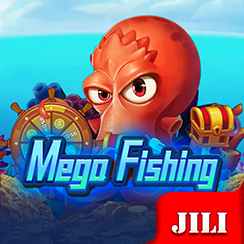

Bingo Fishing next-step recap for a clear decision
Bingo Fishing suits a player who wants an active visual loop and is willing to make a few calm decisions before acting. The strongest starting plan is simple: verify the controls, choose a stake and time limit, watch one target at a time, read each result, and finish when the boundary says to finish.
If you are still deciding whether the site’s broader mobile path is right for you, read How To Play Free Bonus for the next practical steps. The Index gives you the wider game shelf, while Magic Ace Wild Lock offers a different title context for comparing visual features and session pace. Each link is a separate route; none changes the limits you set for yourself.